
Drywall does not need a complicated maintenance schedule. It needs dry conditions, reasonable protection from impact, gentle cleaning, and early attention when a crack, stain, bulge, or fastener defect appears.
| Symptom | First check | Do not |
|---|---|---|
| New stain or softness | Find the moisture source and determine whether the cavity is dry | Seal it under paint while moisture remains |
| Recurring crack | Check movement, joint placement, tape, and nearby framing conditions | Add another thin coat without addressing the cause |
| Fastener pop | Check panel movement and fastening before refinishing | Hammer it flat and assume the defect is solved |
| Scuff or small dent | Test gentle cleaning or a localized repair compatible with the finish | Soak the paper face or scrub through the paint |
Professional note: Keep the paint color, sheen, texture method, and repair history. Those details often determine whether a future patch blends cleanly.
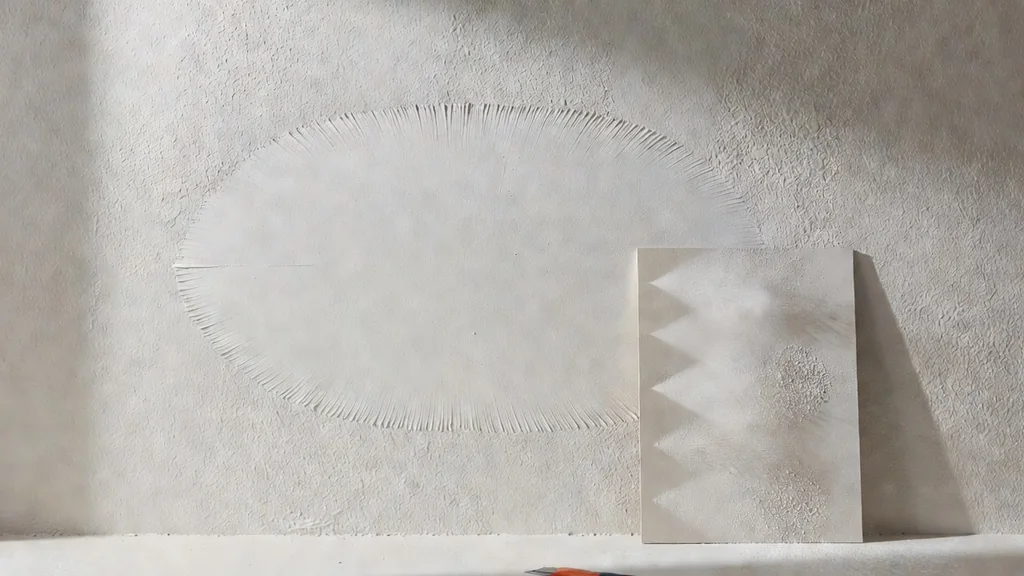
The biggest mistake is treating every wall problem as paint damage. A recurring crack can point to movement. A stain can point to a leak. A soft area can mean the gypsum core has lost strength. Fix the cause before polishing the surface.
Inspect walls when something changes
You do not need to examine every wall each weekend. Take a closer look after:
- A roof, plumbing, appliance, or window leak
- Furniture moves or remodeling
- A strong door impact
- Seasonal movement that reopens old cracks
- New staining or musty odor
- Changes to indoor humidity or ventilation
- Work in an adjoining room, attic, or mechanical space
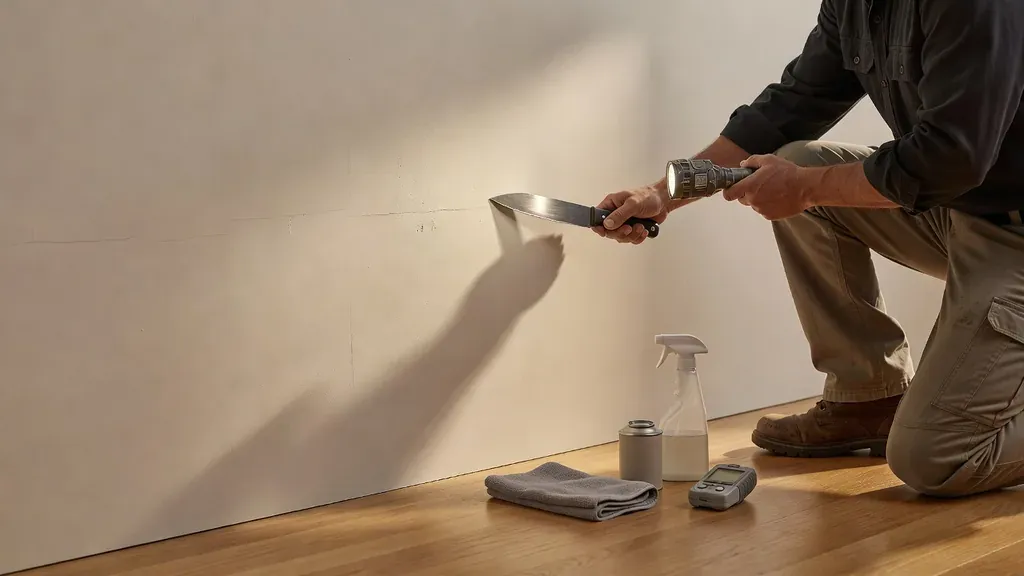
Strong side lighting helps. Hold a flashlight nearly parallel to the wall to reveal ridges, dents, fastener dimples, lifted tape, and patch edges.
Clean painted drywall without soaking it
The paint finish, not bare gypsum paper, should receive routine cleaning.
- Dust the wall with a clean microfiber cloth, soft brush, or vacuum brush attachment.
- Check the paint manufacturer’s cleaning instructions when available.
- Test a small hidden area before using water or cleaner.
- Use a damp, well-wrung cloth rather than saturating the surface.
- Work gently and dry the area promptly.
Flat paint can burnish or show wipe marks. Aggressive scrubbing can remove paint, soften joint compound at a damaged surface, or expose paper. Do not use an abrasive pad because a scuff looks stubborn.
If the wall is unpainted, torn, soft, or already water-damaged, stop cleaning it like an ordinary painted surface.
Handle scuffs and small dents early
Light marks may clean off. A dent or gouge needs repair material, not extra paint.
- Remove only loose material.
- Seal torn face paper with a compatible problem-surface sealer before applying water-based compound.
- Fill in thin controlled coats.
- Feather beyond the defect.
- Sand lightly with side light.
- Prime the repair before applying finish paint.
Skipping primer can leave a dull or flashing patch even when the color matches.
Watch recurring cracks
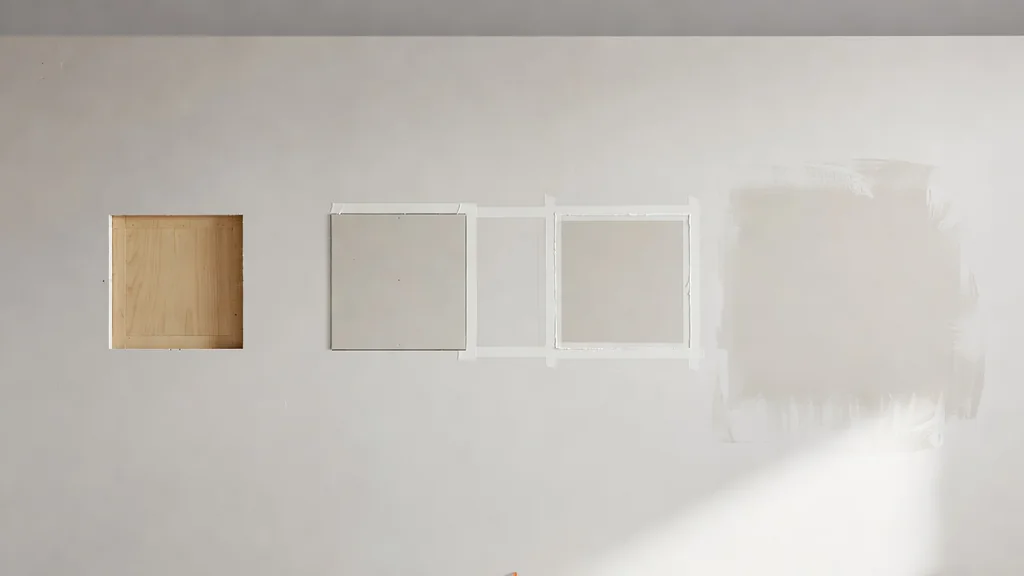
A hairline crack that appears once and remains stable may be a finish defect. A crack that reopens, grows, changes direction, or appears with door and window problems deserves more attention.
Common contributors include:
- Framing movement
- Truss uplift
- Building settlement
- Poor joint placement
- Missing or failed tape
- Inadequate fastening
- Moisture changes
- Movement at dissimilar materials
Do not keep filling a moving crack with a hard ridge of compound. The repair method should match the cause and location.
Fastener pops are clues
A visible screw or nail dimple can occur when framing changes moisture content, a fastener was installed incorrectly, or the panel moves against the framing.
A durable repair may require securing the panel nearby with appropriate drywall screws, removing or resetting the failed fastener, and refinishing the area. Simply hammering the bump flat and painting it often buys a short vacation from the same defect.
Repeated fastener problems across a ceiling or wall should be inspected as a pattern.
Treat moisture as the first problem
Drywall is not the source of a plumbing or roof leak. Before repairing the wall:
- Stop the water source.
- Determine how far moisture traveled.
- Dry the assembly and check adjacent materials.
- Remove drywall that is soft, crumbling, delaminated, contaminated, or otherwise not serviceable.
- Address mold safely and within the proper scope.
- Rebuild only after the cause and wet materials are handled.
Painting over a stain does not prove the cavity is dry. A stain-blocking primer is a finishing step after the moisture problem has been solved.
For a larger incident, see our water-damage drywall repair process. If the affected area has substantial mold growth, contaminated water, or hidden spread, bring in the appropriate remediation professional.
Protect high-impact areas
A few small changes prevent repeat damage:
- Use doorstops where handles hit walls.
- Add furniture bumpers in tight rooms.
- Install backing before heavy wall-mounted items when possible.
- Use fasteners or anchors rated for the load and substrate.
- Protect outside corners in busy corridors.
- Keep storage and equipment from rubbing against garage walls.
- Address loose railings and fixtures before they tear the wall surface.
Do not assume a plastic anchor is suitable because it fits the hole. Heavy televisions, cabinets, grab bars, and similar loads need proper framing, backing, or a designed mounting method.
Maintain kitchens, baths, and laundry areas
Ventilation and leak detection matter more than special wall cleaner.
- Run exhaust fans long enough to remove moisture.
- Keep supply hoses, drain connections, and caulked transitions in good condition.
- Investigate swelling at baseboards or wall bottoms.
- Avoid trapping persistent moisture behind furniture.
- Use wall systems appropriate for splash and wet areas.
Moisture-resistant drywall is not a waterproof finish and is not appropriate for every direct-wet application.
Make future repairs easier
Keep a small project record:
- Paint brand, color, sheen, and batch when available
- Texture type
- Panel thickness
- Photos of framing and utilities before walls close
- Locations of rated or sound-control assemblies
- Product records for specialty panels
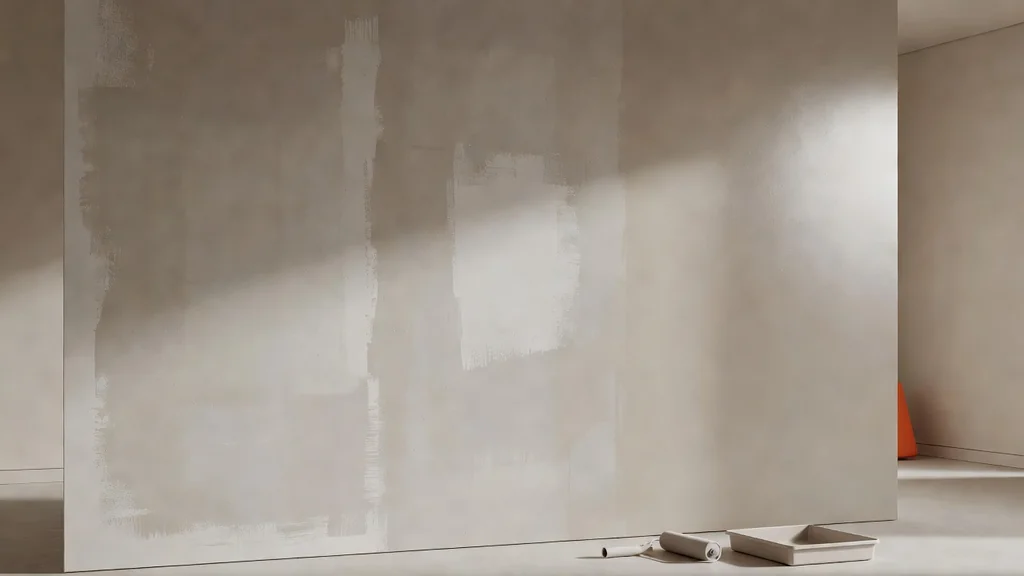
A perfect color formula can still look different when the surrounding paint has aged. For visible walls, repainting to a natural break or the full wall often produces a cleaner result than touching only the patch.
When to call for drywall repair
Professional help makes sense when:
- Damage covers a broad area.
- A ceiling is involved.
- The panel is wet, soft, sagging, or mold-affected.
- Cracks keep returning.
- Texture matching is highly visible.
- The wall may be fire-rated or sound-rated.
- Plumbing, electrical, or structural work is nearby.
- The repair needs to disappear under strong natural light.
Routine maintenance should keep small problems small. When a defect keeps returning, the wall is telling you something. Request a drywall estimate and include a photo plus any history of leaks, movement, or prior repairs so we can scope the cause instead of just covering the symptom.
Frequently asked questions
Can I wash painted drywall with water?
Dust first, follow the paint maker’s cleaning guidance, test a hidden area, and use a damp well-wrung cloth. Do not soak bare, torn, soft, or water-damaged gypsum board.
Why does the same drywall crack keep returning?
Recurring cracks can point to movement, poor joint placement, failed tape, fastening problems, moisture changes, or another cause that surface compound alone will not solve. The invisible patching guide explains why backing and joint treatment matter.
Should I paint over a drywall water stain?
Only after the water source is fixed, the assembly is dry, damaged material is addressed, and contamination is handled. Stain-blocking primer is a finish step, not proof that the cavity is dry. Start with the water-damage repair process when the source affected the board or cavity.