Living in Utah, we tend to lull ourselves into a false sense of security because, well, it’s a desert out here. But if you’ve ever walked into your Basement in Sandy after a heavy spring runoff or peeked behind a bathroom vanity in Layton, you know that mold doesn’t care about our low humidity stats. It just needs a little dark corner and a bit of trapped moisture to turn your walls into a science experiment.
Contents
- 1 Wait, I Thought Utah Was Too Dry for Mold?
- 2 Decoding the Colors: Green, Purple, and Beyond
- 3 The “Splash Zone” Rule: Where You Actually Need It
- 4 Is It Worth the Extra Cash? (Honestly, Yes)
- 5 It’s Not Just About the Board—It’s the Install
- 6 Signs Your Current Drywall Has Given Up
- 7 Getting It Done Right
Wait, I Thought Utah Was Too Dry for Mold?
Here’s the thing about our climate—it’s deceptively dry. While we don’t deal with the muggy heat of the South, we have unique moisture challenges along the Wasatch Front that catch homeowners off guard. Think about it. We seal our homes up tight during those freezing inversion months, trapping all the humidity from showers, boiling pasta, and breathing right inside the house.
Plus, let’s talk about evaporative coolers (swamp coolers). If you’re in an older home in West Valley or Provo, you might still be pumping humid air through your house all summer. That moisture has to go somewhere, and usually, it settles into the most porous surface it can find: your drywall.
So, when we talk about mold resistant drywall, we aren’t trying to upsell you on something you don’t need. We’re talking about insurance for your walls. It’s about stopping a small leak or a steamy bathroom from turning into a massive remediation bill three years down the road.
Decoding the Colors: Green, Purple, and Beyond
If you walk into a hardware store, you’re going to see a rainbow of drywall options. It used to be simple—you had white stuff and gray stuff. Now? It’s a bit more complicated.
Let’s break it down so you don’t feel lost in the lumber aisle.
The Old School “Green Board”
For decades, this was the go-to for bathrooms. It’s essentially standard drywall with a wax-coated paper facing that resists moisture. Notice I said resists, not proof. It’s okay for damp areas, but water can still penetrate the gypsum core if it sits there long enough. Honestly? It’s kind of outdated technology. It’s better than standard white board, but there are better options now.
The Heavy Hitter: “Purple Board”
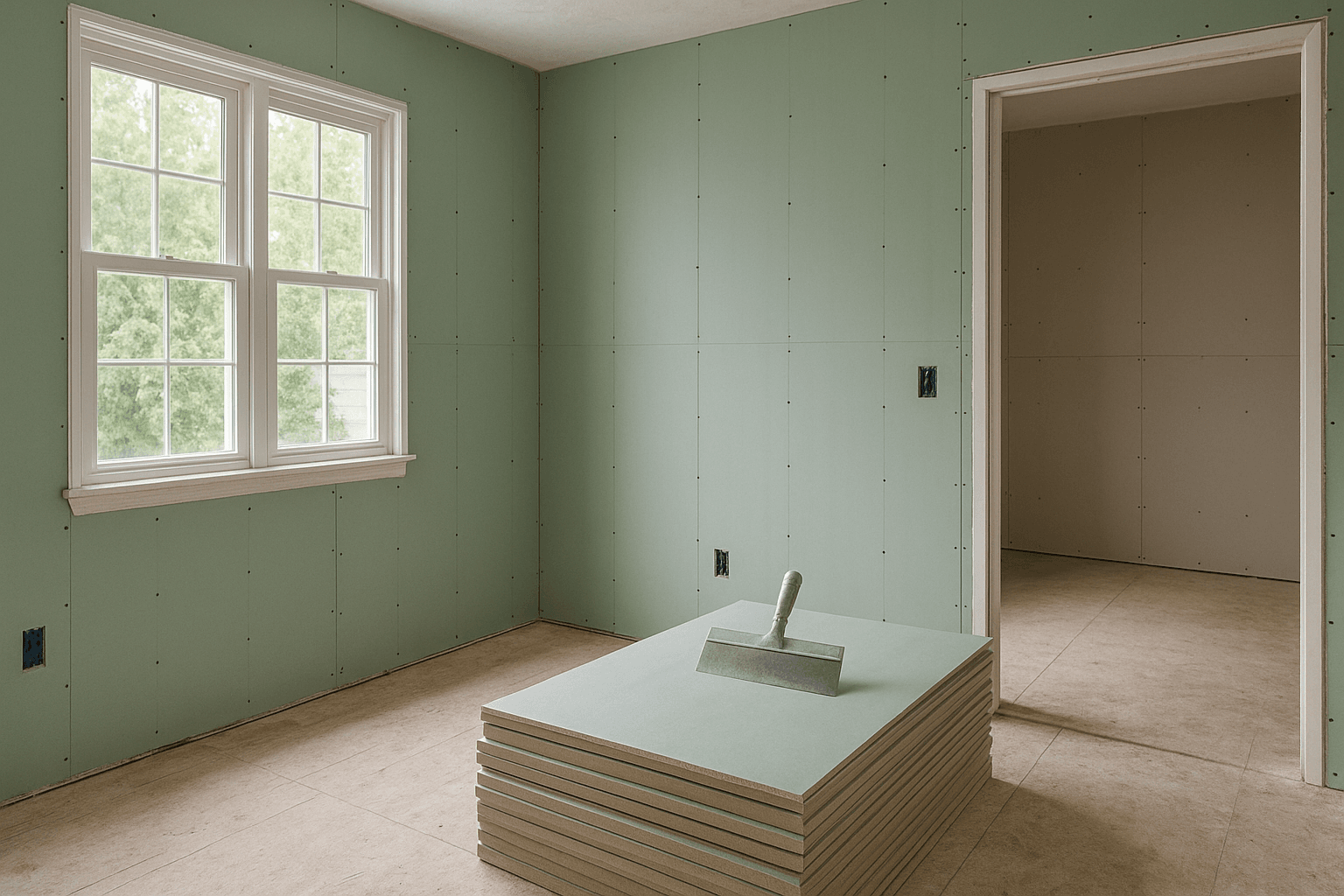
You’ll hear Contractors talk a lot about purple drywall (often made by National Gypsum, though other brands have similar products). This stuff is the real deal. The paper facing is treated to inhibit mold growth, and the gypsum core itself is water-resistant. If you are redoing a bathroom in Davis County or finishing a basement in Utah County, purple board is usually the gold standard. It resists moisture, mold, and mildew, and it’s tougher against dents and scratches too.
Paperless Drywall (Fiberglass Mat)
This is for when you aren’t messing around. Instead of paper on the outside, it has a fiberglass mesh. Mold feeds on paper (cellulose), so by removing the food source, you practically eliminate the risk. It’s incredibly durable but can be a pain to work with because the texture is rougher, requiring a skim coat if you want smooth walls.
Here is a quick breakdown to help you visualize it:
| Type | Best For | Mold Resistance | Cost Factor |
|---|---|---|---|
| Standard (White) | Living rooms, hallways, bedrooms | Low (Paper feeds mold) | $ |
| Green Board | Powder rooms, light humidity areas | Moderate | $$ |
| Purple Board | Full baths, basements, laundry rooms | High | $$$ |
| Paperless/Fiberglass | High-splash zones, showers | Very High | $$$$ |
The “Splash Zone” Rule: Where You Actually Need It
You don’t need to drywall your entire living room with mold-resistant board. That would be overkill, and honestly, a waste of your budget. You want to be strategic.
Bathrooms are obvious. Any wall that touches a tub or shower surround needs the good stuff. In fact, for tile backer, you should be using cement board, but for the rest of the bathroom walls, go with purple board.
Basements are the silent killers. Even if your basement feels dry, concrete is porous. It wicks moisture from the ground. If you are finishing a basement in Salt Lake County, do yourself a favor and use mold-resistant drywall on the perimeter walls at the very least. If a pipe bursts or the water heater leaks, standard drywall will soak that water up like a sponge, wicking it upwards and ruining the wall two feet up from the floor. Mold-resistant board gives you a fighting chance to dry it out before ruin sets in.
Don’t forget the laundry room. It’s high heat, high humidity, and high risk for leaks.
Is It Worth the Extra Cash? (Honestly, Yes)
I get it. Building materials are expensive right now. When you’re looking at the quote, it’s tempting to say, “Just use the regular stuff, I’ll run the fan when I shower.”
But let’s do some quick math—not with a calculator, but with logic.
The price difference between a sheet of standard drywall and a sheet of mold-resistant drywall is usually a few dollars. In a standard bathroom renovation, you might be buying 10 to 12 sheets. You’re looking at a difference of maybe $40 to $60 for the whole room.
Now, compare that to the cost of mold remediation. If standard drywall gets wet and grows black mold behind the paint, you aren’t just repainting. You are tearing out the wall, treating the studs, potentially hiring a specialized abatement crew, and then rebuilding. That’s thousands of dollars.
Spending the extra fifty bucks now is just smart homeownership. It’s peace of mind that even if your teenager takes a 45-minute steam shower, your walls aren’t going to rot from the inside out.
It’s Not Just About the Board—It’s the Install
You know what drives me crazy? Seeing someone buy the best, most expensive mold-resistant drywall and then use standard paper Tape and regular joint compound to finish it.
You just created a food source for mold right on top of your fancy mold-resistant wall!
If you are going the mold-resistant route, the materials need to match the mission.
- Use Fiberglass Mesh Tape: Paper tape is, well, paper. Mold loves it. Fiberglass tape is inorganic; mold can’t eat it.
- Use the Right Mud: For high-moisture areas, we often use a setting-type compound (often called “hot mud”) for the base coats. It cures chemically rather than by drying, making it harder and more resistant to moisture once it’s painted and sealed.
Also, don’t let the drywall touch the floor. This is a rookie mistake I see in DIY jobs all over Utah. Your drywall should hang about half an inch off the subfloor or concrete. The baseboard covers the gap. If the drywall touches the floor, any water spill will wick straight up the wall.
Signs Your Current Drywall Has Given Up
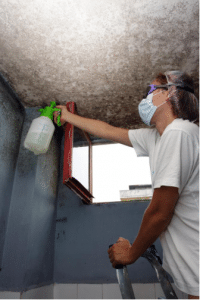
Maybe you aren’t building new. Maybe you’re reading this and looking at a weird spot on your Ceiling. How do you know if it’s time to rip it out?
- Musty Smells: If a room smells like an old towel no matter how much you clean, it’s probably in the walls.
- Bubbling Paint: Moisture separates the paint from the paper facing. If you see bubbles, there is water behind there.
- Discoloration: Obviously, black or green spots are bad. But even yellow water stains indicate that the gypsum core has been compromised. Once gypsum gets wet and dries out, it turns crumbly and loses its structural integrity.
Getting It Done Right
Choosing the right material is half the battle, but installation is where the magic happens. Drywall finishing is an art form—getting those seams invisible, ensuring the texture matches your existing walls, and making sure the underlying structure is sound.
If you’re dealing with a damp basement in Bountiful, a bathroom remodel in Draper, or just need a repair done right so the problem doesn’t come back, you need a team that understands local homes and local climate challenges.
We don’t just hang rock; we protect your home.
Utah Drywall & Repair
801-406-6350