
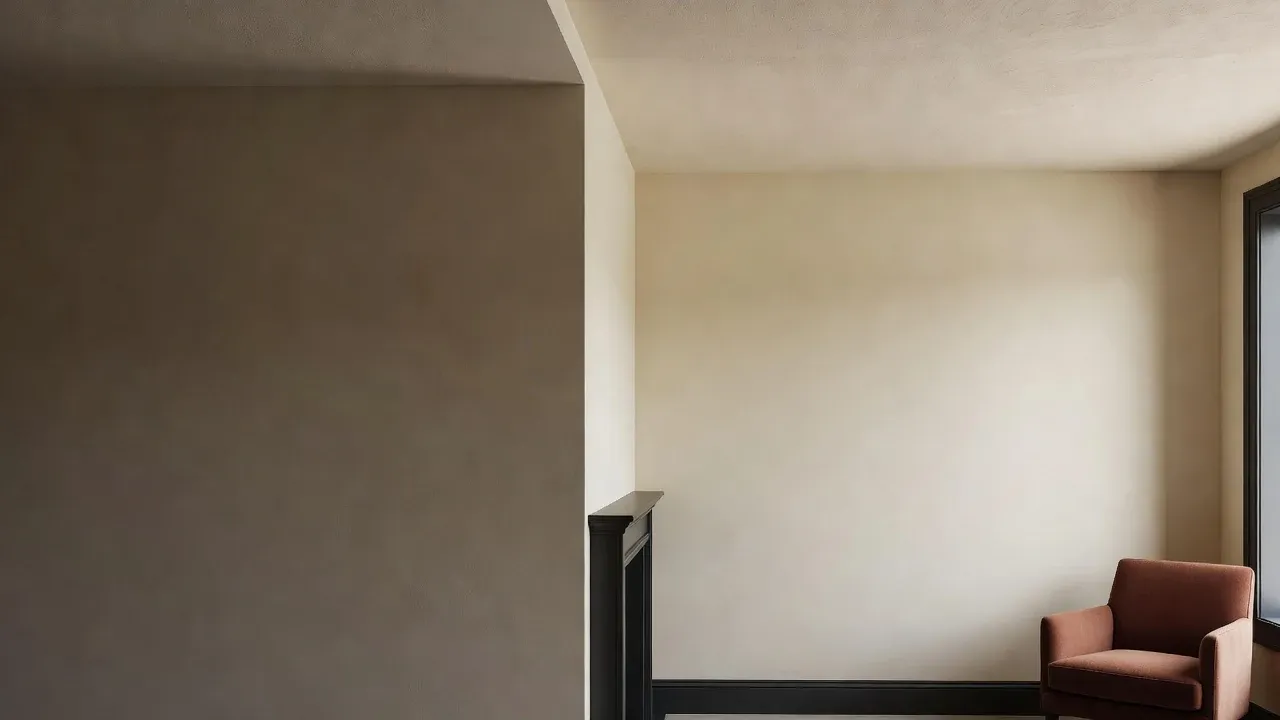
Ceilings show surface changes quickly because light travels across the plane. Utah Drywall & Repair repairs ceiling drywall with attention to joist or backing direction, board stability, texture, room protection, and the cause of the opening or damage.
Request a Ceiling Repair Estimate or call 801-406-6350.
Ceiling Problems This Service Covers
- Plumbing, electrical, HVAC, or inspection access openings
- Impact holes and damaged panels
- Cracks and failed ceiling tape
- Loose or sagging drywall sections
- Water-damaged ceiling board after the source is resolved
- Previous patches with visible edges
- Texture repair after a ceiling opening
- Ceiling finish work connected to popcorn removal or remodel changes
If water caused the damage, review water-damage drywall repair before closing the ceiling. For removal of an existing acoustic texture, see popcorn ceiling removal.
First Question: Why Is the Ceiling Damaged?
A ceiling patch should not hide an active problem. The opening may have been intentionally made to reach a pipe, wire, duct, or other system. Staining may follow a roof or plumbing leak. A crack may track a joint, failed tape, or movement. A sagging section may involve loose fastening, moisture, unsupported board, or another condition that needs to be understood.
The responsible trade or property owner should confirm that the source work is complete before drywall is closed. Utah Drywall & Repair handles the drywall reconstruction and finish, not an unspecified plumbing, roofing, electrical, mold, or structural diagnosis.
Patch, Replace, or Open Farther?
A supported patch may fit when
- the surrounding ceiling board is firm and dry;
- the opening can be cut to sound edges;
- backing can be securely installed;
- board thickness can be matched; and
- the patch can be finished without relying on loose material.
A larger replacement may be needed when
- soft, swollen, or crumbling board extends beyond the visible opening;
- the panel is sagging or poorly supported;
- several access holes are close together;
- previous repair layers are unstable; or
- seams need to be relocated to solid backing.
Opening the ceiling slightly farther can reduce risk when it creates sound support and a cleaner joint layout. The scope should explain why, rather than treating the smallest possible cut as automatically better.
Ceiling Repair Process
1. Confirm source resolution and access completion
Plumbing, electrical, mechanical, roof, or other source work should be complete for the intended closure stage. If moisture was involved, the area should be dry and ready for reconstruction.
2. Inspect board, backing, and ceiling plane
The team assesses the opening, neighboring seams, joist or backing locations, sagging, texture, thickness, and prior patches.
3. Protect the room
Overhead cutting, compound work, texture, and sanding can affect a wider area below. When required, the team uses tarps and appropriate containment and protection measures.
4. Establish stable edges and backing
Loose material is removed. Backing is added where needed so the replacement board remains supported.
5. Match board and fasten the repair
Replacement material is fit to the existing thickness and ceiling plane. The goal is a stable surface ready for tape and finish, not a patch forced into an uneven opening.
6. Tape, coat, and feather broadly
Ceiling light can expose narrow buildup. Joints and patch edges are built in controlled coats and feathered across enough area to reduce a visible ridge.
7. Match or update the texture
Orange peel, knockdown, smooth, skip trowel, and popcorn surfaces require different finish decisions. A local match may be reasonable, or a broader ceiling area may produce a cleaner result.
8. Define primer and paint scope
Fresh compound and texture need an appropriate coating sequence. Paint matching is available as related work when included in the estimate.
Room Protection and Occupied-Space Planning
Explain what sits below the repair, whether furniture can move, ceiling height, stair or hallway access, and whether the room must remain occupied. Fixtures, cabinets, flooring, ventilation, and sensitive equipment may affect protection. Commercial spaces should also provide work-hour and access requirements.
Guaranteed Workmanship
Utah Drywall & Repair guarantees its workmanship on the drywall and finish scope the team performs. The written estimate identifies the repair, installation, texture, paint matching, and finish work included for the project.
Common Questions
Can you close ceiling holes left by a plumber or electrician?
Yes, once the trade confirms its work is complete and the opening is ready to close. Photos, hole dimensions, ceiling height, texture, and any saved cut pieces help with the estimate.
Can you repair a ceiling crack without replacing drywall?
Sometimes, but the crack should be assessed first. Failed tape or a stable surface crack may be repairable. Movement, sagging, moisture, or loose board may require a different scope.
Do you repair sagging ceilings?
The drywall portion can be repaired or replaced when the cause and supporting condition are understood. A sag should not simply be screwed or coated over without checking moisture, support, and board condition.
Will the ceiling texture match?
Texture matching is planned from the existing pattern, age, paint buildup, repair size, and light. An exact match cannot be promised before assessment. A broader blend may be recommended.
How quickly can a ceiling repair be scheduled?
A small repair can usually be scheduled within 24 hours. Larger work is usually scheduled within one to two weeks. These are typical windows, not guarantees, and source-trade completion may control timing.
Repair the Opening Only After the Ceiling Is Ready to Close
Send photos of the full ceiling and the damaged area, rough dimensions, ceiling height, texture, cause, and confirmation that any source work is complete.
Request a Ceiling Repair Estimate or call the regional number listed on the service areas page.