
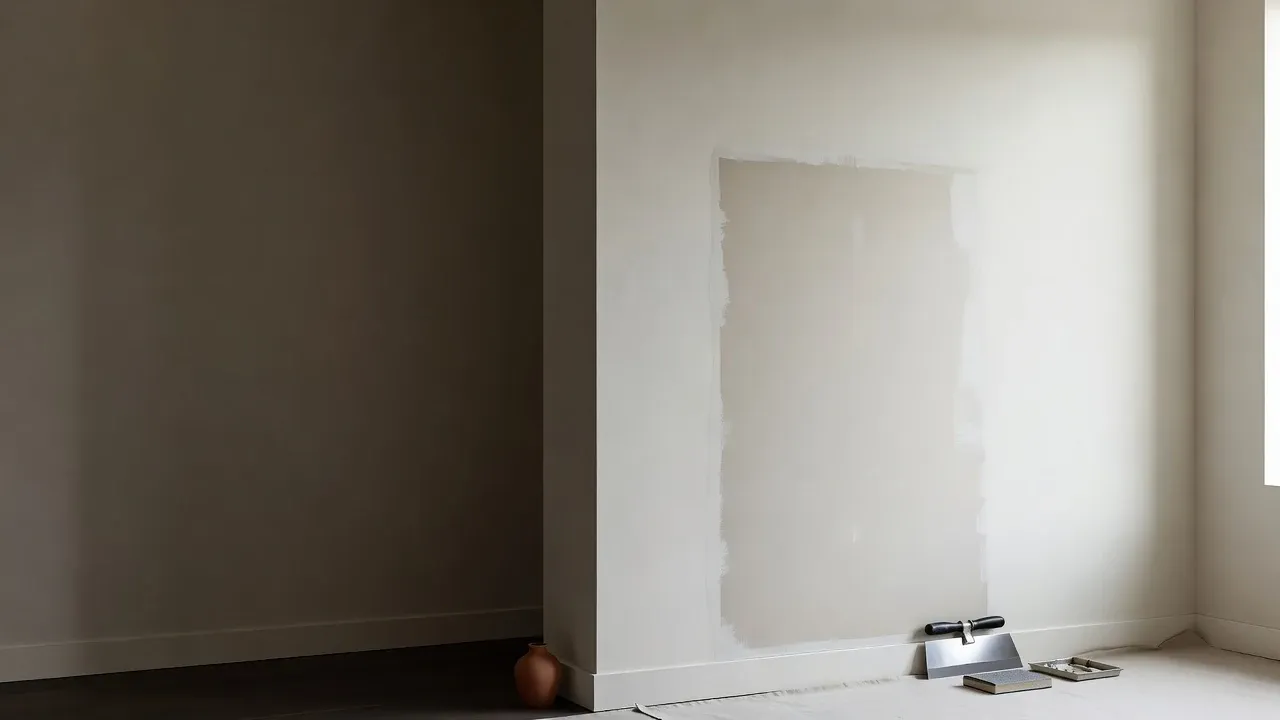
A roof leak, heavy rain, plumbing leak, or overflowing appliance can leave more than a stain. Drywall may soften, seams may lift, and ceiling panels may sag. Utah Drywall & Repair repairs and replaces water-damaged drywall and sheetrock once the moisture source has been corrected and the affected area is dry and ready to rebuild.
The team handles the wall and ceiling finish: replacement board, backing, taping, compound, sanding, texture matching, and paint matching when included in your estimate. Whether the damage is a small ceiling patch or a larger opened wall, the goal is a sound repair with a clear plan for the finished surface.
Request a Free Water Damage Drywall Estimate or call 801-406-6350.
Drywall Repair After Rain, Roof Leaks, or Plumbing Leaks
Water can travel along framing or behind the surface before it becomes visible. A stain near a ceiling light, a swollen wall below a window, or loose tape around a bathroom opening may be only part of the affected area. Tell the team where you first noticed the damage, what caused it if known, and what source repairs or drying work have already been completed.
Common drywall reconstruction requests include:
- Ceiling drywall replacement after a repaired roof leak or rain intrusion
- Wall and ceiling patches after plumbing repairs
- Soft or swollen sheetrock around a corrected window or appliance leak
- Replacement of damaged lower wall sections after completed drying work
- Loose tape, failed compound, and damaged texture around a wet area
- Finish restoration around openings left by another trade
This is a drywall repair service, not an emergency flood-response service. Active leaks, standing water, structural drying, and contamination need the appropriate provider before reconstruction begins.
Correct the Moisture Source Before Closing the Wall
New drywall should not cover an active leak or trap moisture inside an assembly. Have the responsible plumbing, roofing, window, or other trade correct the source. The provider handling drying or moisture assessment should confirm that the affected materials are ready to close. A surface that looks dry does not necessarily establish that the cavity is dry.
If mold or another contamination is suspected, arrange assessment and any required remediation with a qualified provider. Clearance for reconstruction may be needed. The team can plan the drywall phase around completed source work, an existing access opening, and the handoff from your drying or remediation provider.
Signs That Paint Alone May Not Be Enough
A stain does not automatically mean the entire panel needs replacement. But paint cannot restore weak gypsum or keep a loose ceiling panel supported. Conditions that warrant closer assessment include:
- Drywall that feels soft, crumbles, or no longer holds its shape
- Swollen, wrinkled, or separated face paper
- Loose tape, failed joints, or compound lifting away from the board
- Sagging ceilings or fasteners pulling through weakened material
- Stains that return, spread, or remain damp
- A musty condition or visible contamination
- Damage continuing past the visible stain or existing opening
Do not press, scrape, or stand beneath a visibly unstable ceiling section. Address the immediate safety concern and the moisture source before planning a finish repair.
Patch or Replace the Damaged Drywall?
A localized replacement can work when the source is corrected, the area is dry, the opening can be cut back to stable board, and backing can support the new panel. Matching the existing thickness and keeping the replacement in the same plane helps the finish blend into the room.
A larger section may need replacement when softness extends beyond the stain, paper has separated broadly, ceiling board has sagged, several openings overlap, or the cavity needs more access. The smallest possible patch is not always the best repair. A larger supported opening can produce cleaner joints than building compound over questionable edges.
Dry, stable board with a surface stain may instead need appropriate preparation, stain blocking, and repainting. The estimate should distinguish a coating repair from replacement so you know what is being restored and why.
From Replacement Board to a Finished Surface
1. Review readiness and the damaged area
The team reviews completed source work, the condition of the opened area, access, wall or ceiling height, board thickness, and the surrounding finish. Any required drying, assessment, or remediation should be complete before the area is closed.
2. Remove unstable material and install support
Damaged board is removed back to sound boundaries. Backing supports the replacement and keeps its edges aligned with the surrounding wall or ceiling. The opening may extend beyond the stain if weak material continues behind the finish.
3. Replace, tape, and finish the drywall
The new panel is fitted, joints are taped, and compound is built in controlled coats. Drying time, sanding, and the feathering width depend on the repair and how the surface catches light. Ceiling repairs need particular attention to flatness and overhead support.
4. Match texture and define the paint handoff
Orange peel, knockdown, smooth walls, and other finishes need different blending plans. The estimate states whether the job stops at a paint-ready surface or includes texture, primer, paint matching, and final paint. See drywall texturing and matching for the factors that affect a blend.
Water-Damaged Ceiling Repair
An overhead patch needs more than a fitted piece of sheetrock. Joist direction, backing, panel stiffness, existing seams, fixture openings, and side lighting affect the repair. A ceiling stain after a roof leak and a cutout after plumbing access may need different replacement boundaries even when their visible sizes are similar.
The team can restore the drywall and texture after the source and drying work are complete. Existing paint age and sheen may make a wider repaint necessary to avoid a visible spot. Review ceiling repair options and ask for the texture and paint scope to be included in your estimate.
What Affects the Estimate?
Water damage drywall repair pricing depends on the actual condition, not just the size of the stain. Useful estimating details include the replacement area, room height, ceiling versus wall location, backing needs, access restrictions, board thickness, finish level, texture, paint, and any work remaining before reconstruction.
Send a full-room photo, a close view of the damage, rough dimensions, and what caused the water intrusion if known. Tell the team whether the cavity is open, whether the leak is fixed, and whether drying or remediation is complete. Do not disturb suspect materials just to get a better photo.
Room Protection and Guaranteed Workmanship
Water-related drywall work often follows another trade. Describe any furniture, flooring, drying equipment, occupied rooms, or commercial access requirements that affect the work. When required, the team uses tarps and appropriate dust-containment measures for cutting, sanding, and texture work.
Utah Drywall & Repair guarantees its workmanship on the drywall and finish scope it performs. Your written estimate identifies the replacement, texture, paint, protection, cleanup, and handoff responsibilities included for your project. See project photos for examples of the team’s drywall repair and finishing work.
Water Damage Drywall Repair Across Northern Utah
The team serves homes and commercial properties across Davis County, Weber County, Salt Lake County, and Utah County. Local pages describe service coverage, not walk-in offices. Scheduling depends on the project location, scope, access, readiness, and current availability.
Common Questions
Can you repair drywall damaged by a roof leak or heavy rain?
Yes. Once the roof or other moisture source is repaired and the area is dry and ready for reconstruction, the team can replace damaged drywall, finish the joints, and restore texture and paint when included in the estimate.
Does water-damaged drywall always need to be replaced?
Not always. Dry, firm board with a surface stain may need coating preparation rather than replacement. Soft gypsum, swollen or separated paper, sagging, loose seams, or contamination can require replacement or further assessment.
Do you fix leaks, extract water, or provide mold remediation?
This service covers drywall reconstruction, not plumbing or roof repair, emergency water extraction, structural drying, or mold remediation. Have the appropriate provider complete source correction, drying, and any required remediation before the drywall work begins.
Can you match the ceiling texture and paint?
The team can include texture and paint matching in the estimate. Existing texture, paint age, sheen, room light, and the repair size affect how much surrounding surface needs blending or repainting.
How much does water damage drywall repair cost?
The estimate depends on the damaged area, wall or ceiling height, removal and backing needs, board thickness, texture, paint, access, and readiness after drying. Send photos and rough dimensions for a project-specific estimate.
How soon can the drywall repair be scheduled?
Small repairs can often be scheduled within 24 hours and larger projects typically within one to two weeks, subject to availability. Water-related repairs begin only after the source is corrected and the area is ready for reconstruction.
Get a Free Water Damage Drywall Estimate
Tell the team what happened, what has been repaired, and which wall or ceiling needs attention. Include texture and paint requirements so the estimate covers the finish you want, not just the replacement board.
Request a Free Water Damage Drywall Estimate or review drywall repair options.